"Where 2,300 years of civilization rise from the earth"
Butkara I is one of the most significant Buddhist archaeological sites in all of South Asia β a complex of ancient stupas, shrines and sculpture bases dating back to the 3rd century BC, located just 3 km from Mingora in the Saidu Sharif area of Swat Valley.
The site represents the very heart of the ancient Gandhara civilization β a remarkable cultural crossroads where Greek, Persian, Indian and Central Asian influences merged to create one of history's most distinctive artistic and spiritual traditions. The sculptures and reliefs unearthed here helped define our understanding of early Buddhist art worldwide.
"Swat was once called Udyana β the garden β and Butkara was its sacred centre. Here, emperors and pilgrims alike came to pay homage to the Buddha."
From Mauryan emperors to modern archaeologists β Butkara's story spans the full arc of civilization.
The Mauryan Emperor Ashoka, after converting to Buddhism, commissions the original Butkara stupa as part of his empire-wide campaign to spread the Buddhist faith.
The Kushan Empire rules Swat. Butkara becomes a major pilgrimage centre. Greco-Buddhist sculpture reaches its peak β the famous Gandhara style blending Greek realism with Buddhist spirituality.
The famous Chinese Buddhist pilgrim Xuanzang visits Swat and records seeing over 1,400 Buddhist monasteries and stupas in the valley β including Butkara.
An Italian Archaeological Mission (IsMEO) led by Dr. Domenico Faccenna begins systematic excavations at Butkara I, uncovering thousands of sculptures, coins and architectural remains.
The archaeological sites of Swat, including Butkara, are formally recognised as part of Pakistan's outstanding universal cultural heritage under UNESCO guidelines.
Butkara I is fully protected and open to visitors. Ongoing conservation work continues to preserve and restore the site for future generations.
Butkara was the birthplace of Gandhara art β the world's first human depiction of the Buddha.
The central stupa was originally built by Ashoka and enlarged multiple times over 600 years. Its layered construction records the full span of Gandhara civilization.
3rd Century BCHundreds of carved schist stone panels depicting scenes from the Buddha's life, bodhisattvas and celestial beings β blending Greek artistic technique with Buddhist iconography.
Greco-Buddhist StylePilgrims erected hundreds of small votive stupas around the main structure over centuries β each an act of devotion, creating a breathtaking sacred landscape.
1stβ5th Century ADThousands of coins from Mauryan, Greek, Kushan and Scythian periods were found here β a treasure trove that rewrote the history of ancient Swat.
Archaeological FindsWalk through 2,300 years of history with an expert guide who brings the ancient stones to life with stories and context.
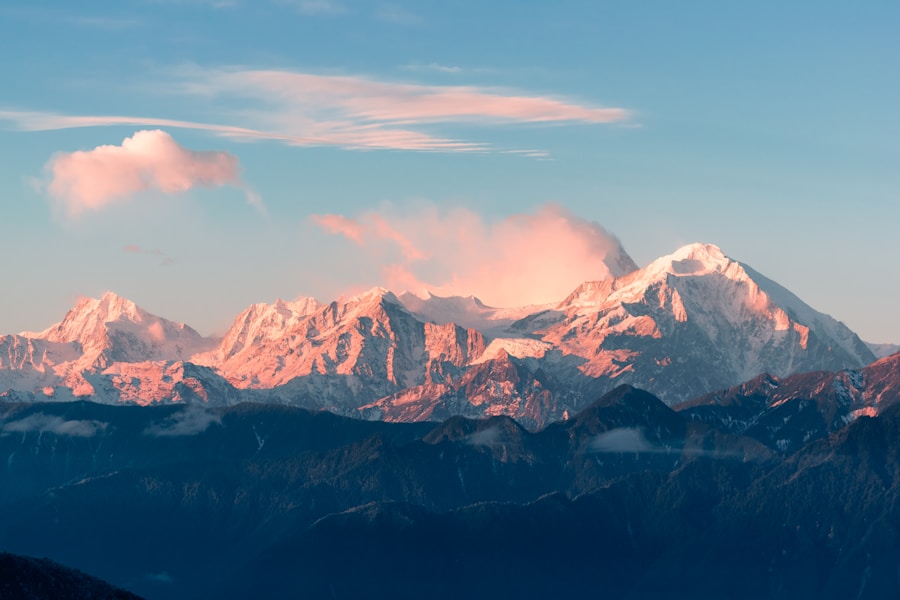
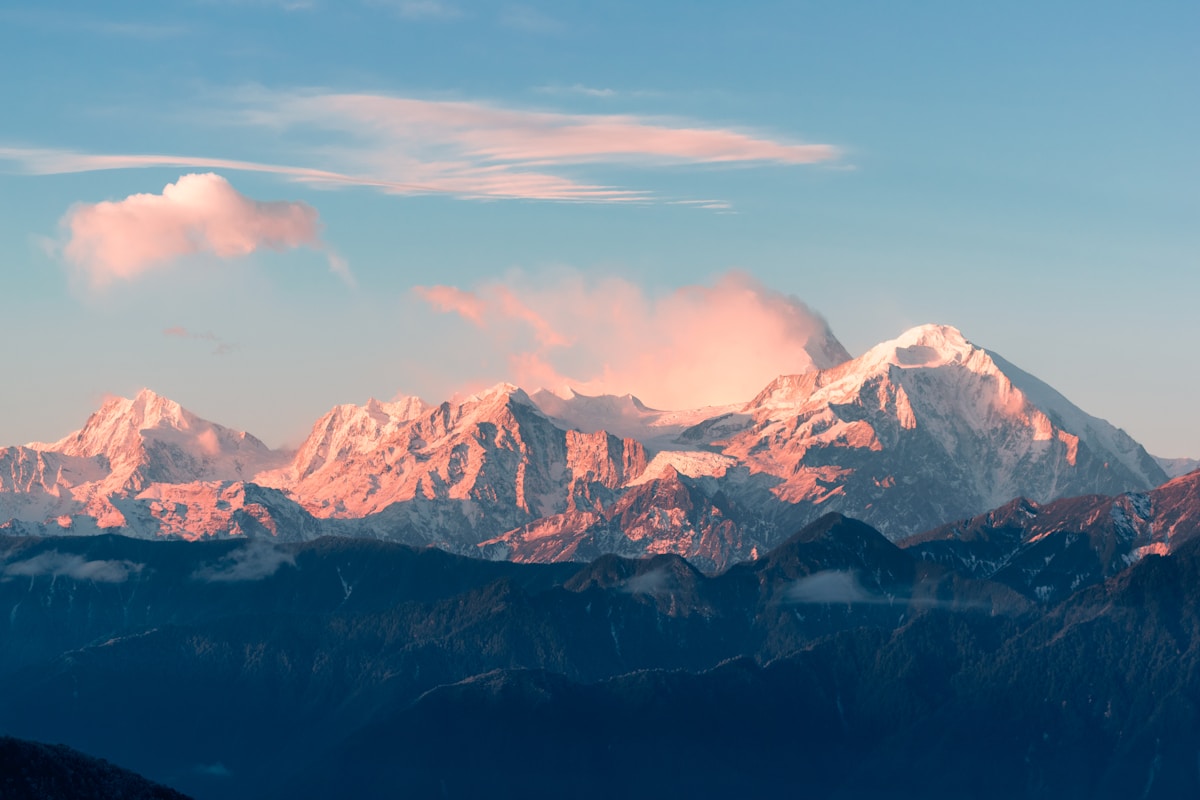
All YearThe ancient stone stupas against the Swat Valley mountains create extraordinary photographic compositions.
All YearArtists and students visit Butkara to sketch the ancient sculptures and architectural details β a living history classroom.
All YearButkara attracts scholars and students from around the world studying Gandhara art, Buddhist history and ancient archaeology.
All YearThe serene atmosphere of the ancient sacred site makes it a profound place for quiet meditation and spiritual contemplation.
All YearEducational tours for schools and universities β learn about Pakistan's incredible Buddhist heritage in its original setting.
All YearHouses thousands of Gandharan artifacts excavated from Butkara and other Swat sites. Essential companion to the Butkara visit.
π 2 km awayThe royal summer palace of the Wali of Swat β a beautiful contrast of ancient and colonial heritage.
π 13 km awayAnother magnificent Buddhist stupa near Barikot β less visited but equally impressive and historically significant.
π 18 km awayActive Italian-Pakistani archaeological dig site revealing a complete ancient Gandharan city β tours available.
π 20 km awayExplore 2,300 years of history with our expert-guided heritage tours.
Guided tour of Butkara Stupa with expert heritage commentary. 1.5 hrs.
Full day β Butkara Stupa + Swat Museum + White Palace. Complete Swat heritage experience.
2-day deep-dive for students & researchers. Butkara, Barikot excavations & museum archive access.
School groups, film crews, photographers and private tours β tailored to your needs.
From Mingora centre, drive towards Saidu Sharif. Butkara is signposted on the Saidu Sharif road β just a 10-minute drive from the main bazaar.
Auto-rickshaws from anywhere in Mingora will know Butkara Stupa. Expect to pay Rs 80β120 one way from the city centre.
From Saidu Sharif bazaar, Butkara is a pleasant 15-minute walk through the residential streets. Ask locals for "Butkara" β everyone knows it.
34.7553Β° N, 72.3572Β° E β Search "Butkara Stupa Swat" on Google Maps for precise turn-by-turn directions from anywhere.
Entry FeeA nominal entry fee of Rs 100β200 applies. The fee supports ongoing conservation and site maintenance. Photography permit may be extra.
Visit the Museum TooThe Swat Museum (2 km away) houses thousands of sculptures excavated from Butkara. Visiting both together gives a complete picture of the heritage.
Best Time to VisitEarly morning (8β10 AM) offers the best light for photography and the coolest temperatures. The site is less crowded on weekday mornings.
Wear Comfortable ShoesThe site has uneven stone paths and archaeological terrain. Flat, comfortable walking shoes are essential β no heels.
Bring Sun ProtectionThe site is mostly open with little shade. Bring a hat, sunscreen and water β especially in summer months.
Respect the Sacred SiteButkara is an active heritage site. Do not climb on the stupas or touch the ancient stones. Maintain respectful quiet.